
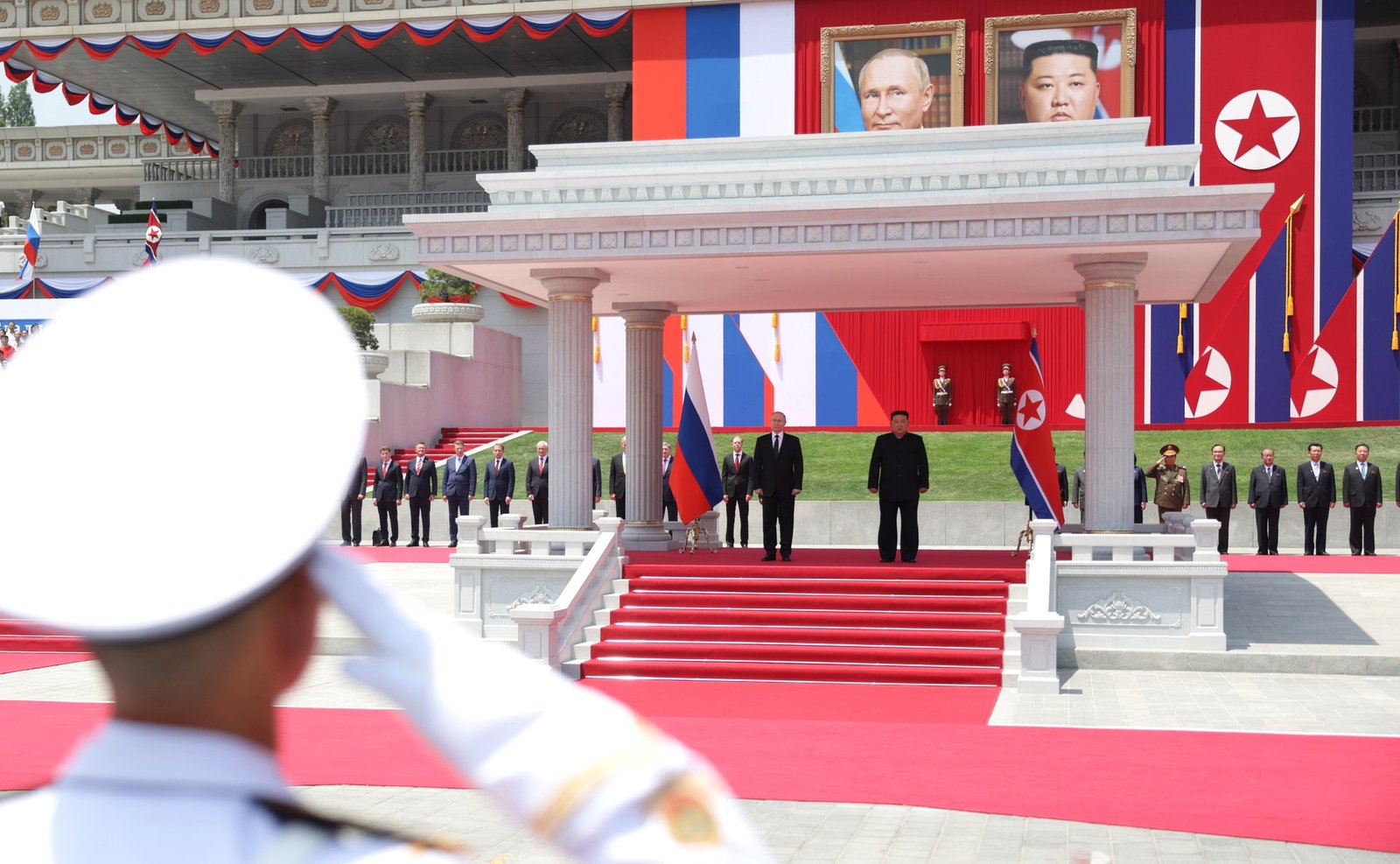
To understand how North Korean troops have altered the scope of warfare on Russian soil, one must first understand the troops themselves.
In the first weeks of October 2024, Ukrainian, South Korean, and U.S. intelligence began to report on North Korean troop deployments to Russia. Initial information pointed to 3,000 North Korean personnel in the Russian Far East. One week later, Ukrainian President Volodymyr Zelensky stated that Ukraine had intelligence indicating Russia was training up to 12,000 North Korean personnel, split between two brigades [1].
In the coming weeks and months, Ukrainian troops began encountering Pyongyang’s soldiers in Kursk. The first deployment of North Korean troops is thought to have been roughly 11,000, with a second deployment of about 1,000 to 3,000 soldiers. Intelligence sources in February 2026 estimated that from these initial two deployments, as many as 2,000 had been killed, with 4,000 to 5,000 wounded [2].
Pyongyang did not merely send low-level grunts to maintain Moscow’s meat grinder tactics. Intelligence shows that along with three high-ranking generals, they have sent troops mostly from their ‘Storm Corps’, said to be “an elite special forces unit with roots in North Korea’s Special 8th Corps,” according to South Korean news agency Hankyoreh [3,4].
CNN has described the Storm Corps’ composition as light infantry, snipers, and special forces comparable to “US Navy Seals or Rangers, or Britain’s SAS.” Retired Lt. Gen. Chun In-bum, a veteran of the South Korean army, told CNN the Storm Corps are “better trained, (have) better physique and (are) better motivated than your average North Korean soldier.” [5] With a total number of troops in the Storm Corps estimated to be between 40,000 and 80,000, North Korea could continue to deploy these elite soldiers to the Russian front lines in the long-term despite initially high casualty rates [6].
North Korean Generals Operating in Russia
The Storm Corps troops in Russia have been commanded by Colonel General Kim Yong-Bok, Vice Chief of the Korean People’s Army General Staff, since October 2024. He has commanded the Storm Corps since 2015 [7].
Kim Yong-Bok has maintained a close relationship with the ruling Kim family since at least the Kim Jong-Il era, exemplified by the frequency at which he attends military exercises, appears in photographs, and is positioned in close proximity to Kim Jong-Un and his father alike [7].
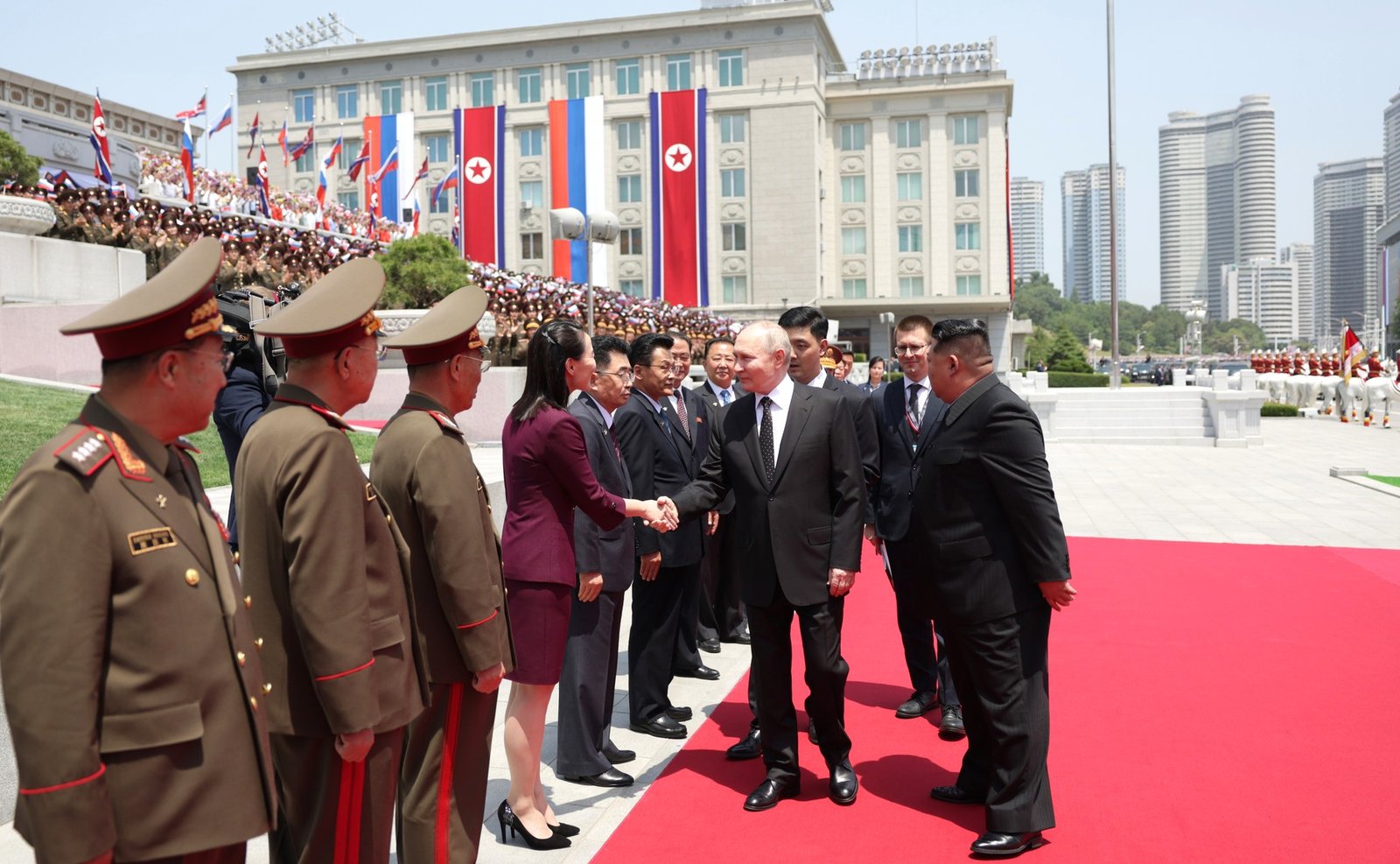
In Russia, Kim has been tasked with “liaison work and proxy decisionmaking,” according to North Korea Leadership Watch. Russian President Vladimir Putin was photographed shaking the hand of Kim Yong-Bok during Victory Day celebrations in Moscow in May of 2025 [7].
The operations commander of North Korean forces in Russia is Major General Sin Kum Chol. Sin’s relationship with the ruling Kim family is far less documented, as he was only promoted to Major General in 2020 [8].
The role of the third North Korean general in Russia is less clear. Colonel General Ri Chang Ho is Deputy Chief of the General Staff and head of the Reconnaissance General Bureau [4]. Ri’s involvement in Russia’s offensive and relationship to the Kim family is highly elusive given his position as “one of North Korea’s most senior intelligence officials,” as highlighted by North Korea Leadership Watch [9].
In August 2025, Kim and Sin abruptly returned to North Korea, a move speculated to be a show of confidence on Russia’s end during ongoing peace negotiations with Ukraine. Kim Jong-Un hugged both generals during a welcome-home ceremony in which he commended their work in Russia [10].
Outside the Storm Corps
In addition to the Storm Corps’ deployment in October 2024, North Korea sent pilots to Russia around the same time. It is unclear whether these pilots are being trained for combat operations in Russia or learning how to operate aircraft Moscow plans to send to Pyongyang [11]. No updates on these pilots are available as of September 2026.
Not all of the North Korean troops stationed in Russia are tasked with combat missions. The 528th Regiment of Engineers of the Korean People’s Army returned to North Korea in December 2025 after a 120-day deployment to Russia. While the unit’s full breadth of operations has not been publicized, much of their time was concerned with engineering rather than combat [12].
Many of the North Korean troops remaining in Russia have been tasked with mine clearing duties in areas of Kursk where Moscow has regained its territory from Ukraine [12]. The pivot towards mine clearing operations “highlights the desire on both sides to further develop their military ties,” according to Mark Trevelyan for Reuters [13]. In other words, it is a sign Moscow and Pyongyang are finding ways to maintain their transactional relationship outside the context of the ongoing invasion of Ukraine.
It is estimated that 6,000 such engineering troops have been deployed, bringing the estimated number of North Korean soldiers stationed in Russia to between 17,000 and 20,000 in February 2026 [2].
Despite significant cultural, language and experience barriers, North Korean soldiers are respected by Ukrainian and Russian troops alike.
Initial accounts by Ukrainian soldiers described North Korean troops as vulnerable due to their outdated tactics. Pyongyang’s units would move across open fields in large groups, making them readily visible to Ukraine’s drones. A Ukrainian air surveillance unit commander told NPR that North Korean soldiers “would go straight ahead, without any cover” when hearing loud drones or artillery fire, making them easily spotted by drones [14].
Such sentiments, however, quickly changed. During the same NPR interview, Ukrainian soldiers described how North Korean troops rapidly evolved into modern combatants, unanimously describing them as highly disciplined, difficult to capture, and having great aim.
One soldier interviewed, Vlad, “noticed that the North Koreans risked their lives to retrieve the bodies of their colleagues from those fields,” an action he reports having never seen Russian soldiers do [14].
In a video published by the Russian Defence Ministry, a commander with the callsign ‘Veles’ said North Korean soldiers were “great lads,” and “learn quickly, listen attentively and take notes.” [13].
In the same video, another commander, ‘Lesnik’, said North Korean soldiers “are on an equal level with my sappers, carrying out the same tasks as my lads.” [13].
The term ‘sapper’ refers to combatant engineers, defined by the U.S. Army as soldiers “skilled in a variety of military engineering duties such as minefield placement or clearing, bridge-building, demolitions, field defenses, and road and airfield construction.” While combat ready, sappers are mainly tasked with “facilitating movement of allied forces and impeding those of their enemies.” [15]
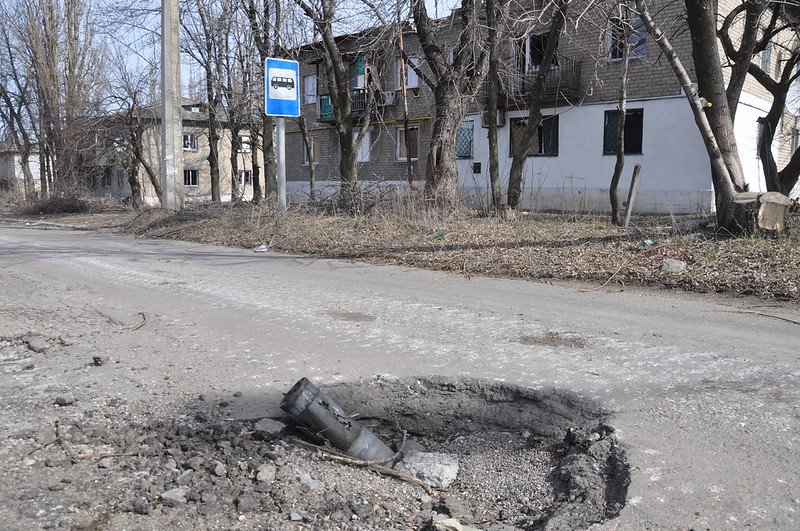
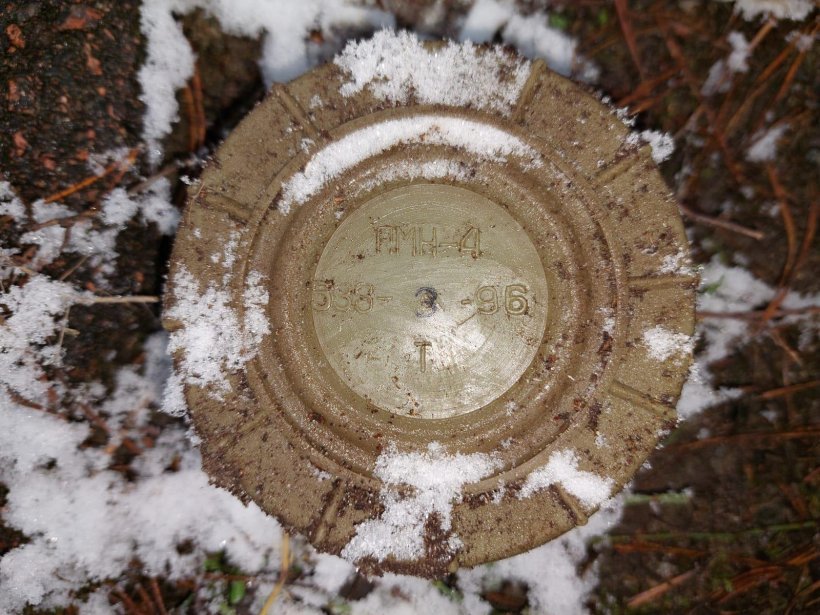
In June of 2025, a meeting occurred between Kim Jong-Un and Russia’s Security Council Secretary Sergei Shoigu in which they agreed that North Korea would send 1,000 sappers specifically for mine clearing operations and 5,000 military construction workers to assist in the reconstruction of infrastructure [16].
Russian reports claim that mine clearing operations have come under attack by Ukrainian artillery and drones [13]. However, these claims have yet to be verified by independent outlets.
In February 2026, Ukrainian intelligence revealed that North Korean troops had returned to combat roles, firing tube and rocket artillery on Ukrainian border communities from Kursk Oblast. Because these soldiers remained on the Russian side of the border, relying on aerial and artillery reconnaissance to spot and correct their fire, such actions do not inherently exceed the scope of joint operations outlined in Moscow and Pyongyang’s mutual defense treaty [17].
As of February 2026, Ukrainian intelligence estimated that 8,000-10,000 North Korean soldiers remained in Russia’s Kursk region. Around 3,000 North Korean soldiers are believed to have returned to their home country. There, they are expected to be reassigned as instructors to help implement the lessons of the Ukrainian front lines across their military, and assist in “moderniz[ing] military doctrine, force structure and weapons systems.” [2]
Unlawful Labor
North Korean labor in Russia is not limited to military cooperation. A study released by the Database Center for North Korean Human Rights (NKDB) estimated there were around 15,000 undocumented North Korean workers employed in Russia as of September 2025. This is in spite of U.N. Security Council resolutions mandating their repatriation by the end of 2019 [18].
This shockingly high number of laborers originating from an internationally sanctioned nation is facilitated via “fraudulent student visas in place of work permits, bribes to Russian universities and a network of intermediaries that obscures the true scale of the DPRK’s labor presence,” Shreyas Reddy wrote for NK News [18]. The DPRK refers to the Democratic People’s Republic of Korea, the formal name for North Korea.
The Russian state has been found to be directly contributing to a mass forced labor scheme by “a 2020 law allowing foreign ‘students’ to work without permits, [ignoring] credible abuse allegations and even [returning] would-be defectors to North Korea in violation of international non-refoulement principles,” Reddy continued [18].
Pyongyang and Moscow both exploit these workers; with North Korea seizing up to 90% of their wages as ‘loyalty payments’, while Russian supervisors deduct wages on arbitrary grounds [18]. Such practices contribute to the workers’ conditions having been found to “comprehensively meet all eleven of the International Labour Organization’s (ILO) indicators of forced labor,” according to a report by the Database Center for North Korean Human Rights [19]. Additionally, these practices meet the legal threshold for the crime against humanity of enslavement as defined in Article 7 of the Rome Statute of the International Criminal Court [19].
North Korean laborers in Russia have been found to be living with confiscated passports, no access to medical care or bank accounts, under constant surveillance from North Korean spies, and 12-17 hour work days, 7 days per week. Their seized wages are suspected of funding North Korea’s nuclear development program [18].
Russia’s Consular Department of the Ministry of Foreign Affairs reported in April 2026 that it issued more than 36,000 entry visas to North Koreans in 2025. This was a roughly 294 percent increase from the 9,239 visas issued in 2024. Due to Pyongyang’s total isolation during the COVID-19 pandemic, the number of North Korean laborers in Russia had dropped to zero through 2021-2023 [20].
Moscow is likely continuing its use of the 2020 law, reporting 98% of the visas granted to North Koreans in 2025 were student visas. The Institute for the Study of War (ISW) argues Russia’s motivations for the spike in foreign labor are likely to address domestic labor shortages stemming from the ongoing war in Ukraine, while North Korea uses the transaction as a means of sanctions evasion and foreign currency generation [20].
A March 2026 report by Center for Strategic and International Studies revealed that since the beginning of the Russian full-scale invasion, satellite imagery analysis showed infrastructure expansion at the Alabuga Special Economic Zone (ASEZ). This zone “hosts manufacturing facilities that assemble unmanned aerial vehicles,” according to ISW [21].
In November 2025, Ukraine’s Main Military Intelligence Directorate reported that “Russia planned to attract approximately 12,000 North Korean laborers to work at the ASEZ by end of 2025.” ISW notes, however, that the presence of North Korean laborers in the ASEZ has not been confirmed [21].
Not only would the presence of North Korean laborers in the ASEZ all but guarantee further enslavement and human rights abuses, these workers would additionally would be directly aiding Russia in its escalating drone campaign on Ukrainian targets.
New Escalations
As of late June 2026, Ukrainian military intelligence has reported 7,000 North Korean casualties, both killed and injured, while fighting alongside Russia during the August 2024-March 2025 Ukrainian cross-border incursion. This estimate was not independently verifiable by the Kyiv Independent [22].
President Zelensky stated on August 8 that Pyongyang was preparing to deploy between 30,000 and 50,000 personnel to Russia [23].
On August 23, South Korea’s Defense Intelligence Agency reported no signs of an imminent deployment. However, the report clarifies that North Korea continues to make internal preparations for further deployments of troops to Russia [24].
In late August 2026, Deputy Head of Ukrainian Defense Intelligence Major General Vadym Skibitskiy told CNN that approximately “25,000 North Koreans have so far been deployed or rotated through Russia’s military.” [25]
Skibitskiy informed that of the latest wave of North Korean troops, one thousand were engineers and deminers. In contrast to the Storm Corps, this deployment is likely to be tasked with reinforcing Russia’s rear positions in order to free up Russian troops for assaults within Ukraine [25].
In addition to the one thousand engineers and deminers, the new deployment included 400 drone operators, “many of whom have gained experience either in or from previous North Korean deployments, and whose drones will likely be used to both survey and attack targets inside Ukraine,” CNN stated [25].
Now that Ukraine holds a small but stable portion of Kursk [26], it is unclear what the fate of North Korea’s Storm Corps will be. Based on recent engineering troop deployments, the authoritarian regimes are shifting the scope of joint operations further towards supportive, non-combatant roles. If Ukrainian troops were to be forced across the border, it is highly unlikely North Korean troops would assist the Russian military on Ukrainian territory, as the nations’ mutual defense treaty does not encompass such a move. North Korean troops crossing the Ukrainian border would be an unprecedented escalation.
As Pyongyang and Moscow both remain hesitant to send North Korean troops into Ukraine, the deployment of drone operators indicates the nations support maintaining combat roles for North Koreans even if Ukraine’s incursion were to be pushed back across the border. While we should not expect boots on the ground, North Koreans can still deal lethal damage on Ukrainian soil from miles within Russian territory.
結論
Russia is not using North Korean troops simply as a means of sustaining their meat-grinder battleground tactics; Pyongyang has provided them with elite soldiers, engineers, and laborers. Respected by Russian and Ukrainian troops alike, North Koreans have proven themselves to be highly adaptable to modern battle tactics. The evolving tactics of North Korea’s troops, and the way the two nations’ relationship continues to deepen, may be a deciding factor in how Russia’s invasion of Ukraine ends.
Although this article has begun to outline Moscow and Pyongyang’s current relationship from a militaristic perspective, the nations’ ties go far deeper. The next installment of this series will examine how Russia and North Korea’s formal relationship began and evolved over time, dating back to the tail end of World War II.
Sources
[1] Hird, K., Shats, D., O’Neil, A. (2024, November 1). North Korea Joins Russia’s War Against Ukraine: Operational and Strategic Implications in Ukraine and Northeast Asia. Institute for the Study of War. https://understandingwar.org/research/russia-ukraine/north-korea-joins-russias-war-against-ukraine
[2] Lee, Y. J. (2026, February 11). Up to 8,000 North Korean troops remain in Russia’s Kursk region, says Ukrainian military intelligence. Korea JoongAng Daily. https://koreajoongangdaily.joins.com/news/2026-02-11/national/northKorea/Up-to-8000-North-Korean-troops-remain-in-Russias-Kursk-region-says-Ukrainian-military-intelligence/2520784
[3] Shin, H. (2024, October 21). Who are the North Korean ‘Storm Corps’ reportedly dispatched to fight in Ukraine? Hankyoreh. https://english.hani.co.kr/arti/english_edition/e_northkorea/1163563.html
[4] The Straits Times (2024, October 31). Ukraine names generals with North Korean troops in Russia. https://www.straitstimes.com/world/europe/ukraine-names-generals-with-north-korean-troops-in-russia
[5] Regen, H., Seo, Y., Valerlo, M. (2024, December 19). Indoctrinated, loyal and well trained: Don’t underestimate North Korean soldiers in Russia, some experts say. CNN. https://www.cnn.com/2024/12/17/asia/north-korean-soldiers-russia-intl-hnk
[6] Kim, Ho-joon. (2024, October 18). The ‘storm corps’ that North Korea sent to Russia is the top-ranking special forces. Yonhap News. https://www.yna.co.kr/amp/view/AKR20241018139000504
[7] North Korea Leadership Watch. (2025, June 30). Col. Gen. Kim Yong Bok. https://www.nkleadershipwatch.org/leadership-biographies/col-gen-kim-yong-bok/
[8] North Korea Leadership Watch (2025, August 25). Maj. Gen. Sin Kum Chol. https://www.nkleadershipwatch.org/leadership-biographies/maj-gen-sin-kum-chol/
[9] North Korea Leadership Watch (2024, November 13). Col. Gen. Ri Chang Ho. https://www.nkleadershipwatch.org/leadership-biographies/col-gen-ri-chang-ho/
[10] Reyes, R. (2025, August 21). North Korea’s top officers abruptly pulled out of Russia — and what this could mean for Ukraine peace talks. New York Post. https://nypost.com/2025/08/21/world-news/north-koreas-top-officers-abruptly-pulled-out-of-russia-and-sent-home-report/
[11] Kushnikov, K. (2024, October 22). North Korea Sends Military Pilots to Russia. MilitaryNYI. https://militarnyi.com/en/news/north-korea-sends-military-pilots-to-russia/
[12] Reuters. (2025, December 12). North Korean leader Kim hails troops returning from Russia mission, state media says. https://www.reuters.com/world/asia-pacific/north-korean-leader-kim-hails-troops-returning-russia-mission-state-media-says-2025-12-12/
[13] Trevelyan, M. (2025, November 14). Russia says North Korean troops play key role in de-mining its Kursk region. Reuters. https://www.reuters.com/business/aerospace-defense/russia-says-north-korean-troops-play-key-role-de-mining-its-kursk-region-2025-11-14/
[14] Kakissis, J., Solohub, V. (2025, June 16). North Koreans fighting for Russia against Ukraine have grown skilled in drone warfare. NPR. https://www.npr.org/2025/06/16/g-s1-71531/north-korea-soldiers-russia-ukraine-war-drones
[15] U.S. Army. (n.d.). U.S. Army Sappers. https://www.army.mil/sapper/#:~:text=A%20sapper%20%E2%80%94%20also%20known%20as,and%20road%20and%20airfield%20construction.
[16] The Associated Press. (2025, June 18). North Korea plans to send military construction workers and deminers to Russia. NPR. https://www.npr.org/2025/06/18/g-s1-73276/north-korea-send-military-workers-to-russia
[17] Kozatskyi, S. (2026, February 4). North Korean Soldiers Shell Ukrainian Border Areas With Artillery – Defense Intelligence. MilitaryNYI. https://militarnyi.com/en/news/north-korean-soldiers-shell-ukrainian-border-areas-with-artillery-defense-intelligence/
[18] Reddy, S. (2025, September 22). North Korean workers in Russia subject to slavery-like conditions: Report. NK News. https://www.nknews.org/2025/09/north-korean-workers-in-russia-subject-to-slavery-like-conditions-report/
[19] Kim, U. (2025, September 22). Transnational Repression and Exploitation of North Korean Workers in Russia. Database Center for North Korean Human Rights. https://en.nkdb.org/researchreport/?q=YToxOntzOjEyOiJrZXl3b3JkX3R5cGUiO3M6MzoiYWxsIjt9&bmode=view&idx=167892918&t=board
[20] Chung, Y., Han, D., Karas, J. (2026, April 7). Korean Peninsula Update, April 7, 2026. Institute for the Study of War. https://understandingwar.org/research/china-taiwan/korean-peninsula-update-april-7-2026/
[21] Chung, Y., Han, D., Karas, J., Shats, D. (2026, March 18). Korean Peninsula Update, March 18, 2026. Institute for the Study of War. https://understandingwar.org/research/china-taiwan/korean-peninsula-update-march-18-2026/
[22] Terajima, A. (2026, June 29). Ukraine reveals new figures for North Korean troop losses in Russia’s Kursk Oblast. The Kyiv Independent. https://kyivindependent.com/north-korean-troops-took-over-7-000-casualties-in-russias-kursk-oblast-hur-claims/
[23] Chung, Y., Irvin, J., Han, D., Karas, J. (2026, August 11). Korean Peninsula Update, August 11, 2026. Institute for the Study of War. https://understandingwar.org/research/china-taiwan/korean-peninsula-update-august-11-2026/
[24] Kim, H. (2026, August 23). No signs of additional deployment of N. Korean troops to Russia detected: S. Korean military. Yonhap News Agency. https://en.yna.co.kr/view/AEN20260823000600315
[25] Walsh, P., Tarasova-Markina, D., Butenko, V. (2026, August 21). North Korea boosts support for Russia to include drone operators, Ukraine says. CNN. https://edition.cnn.com/2026/08/21/europe/russia-north-korea-ukraine-drones-intl
[26] Russia Matters. (n.d.) The Russia-Ukraine War Report Card, Sept. 2, 2026. https://www.russiamatters.org/news/russia-ukraine-war-report-card/russia-ukraine-war-report-card-sept-2-2026
This article is published as part of a collaboration between 歐洲烏克蘭行動 and the Transatlantic Security Institute. It has been published on both websites.