2 de abril de 2026 | Atualização estratégica quinzenal
Este boletim informativo é fornecido pela Ação Europeia para a Ucrânia (EAU). Se não faz parte da lista de distribuição da EAU, inscreva-se no sítio Web: https://
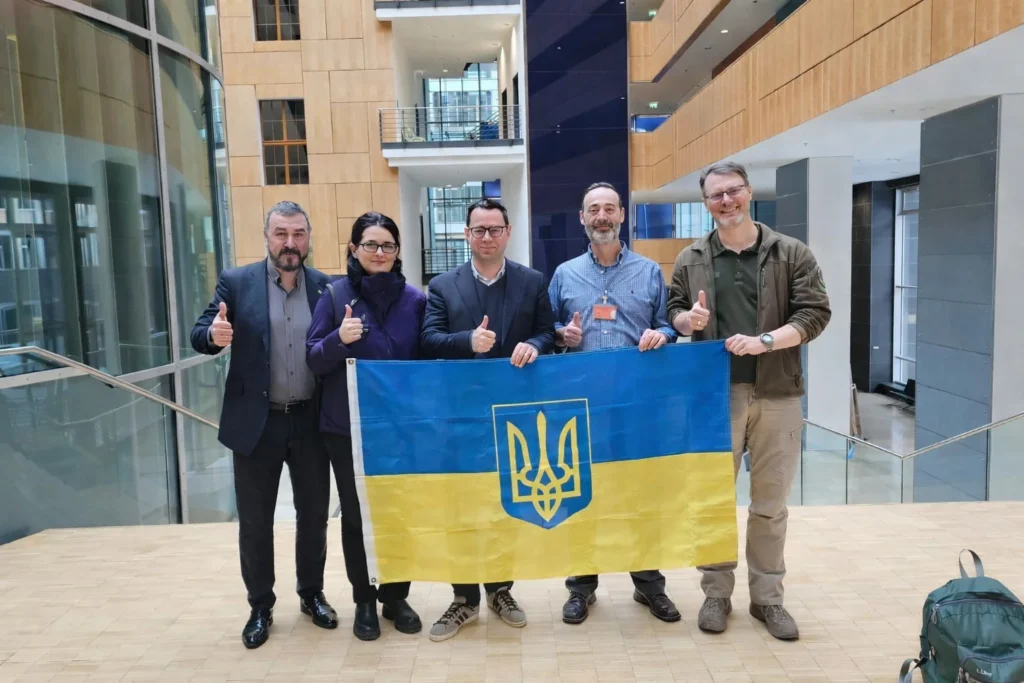
Delegação dos EAU à Europa Ocidental
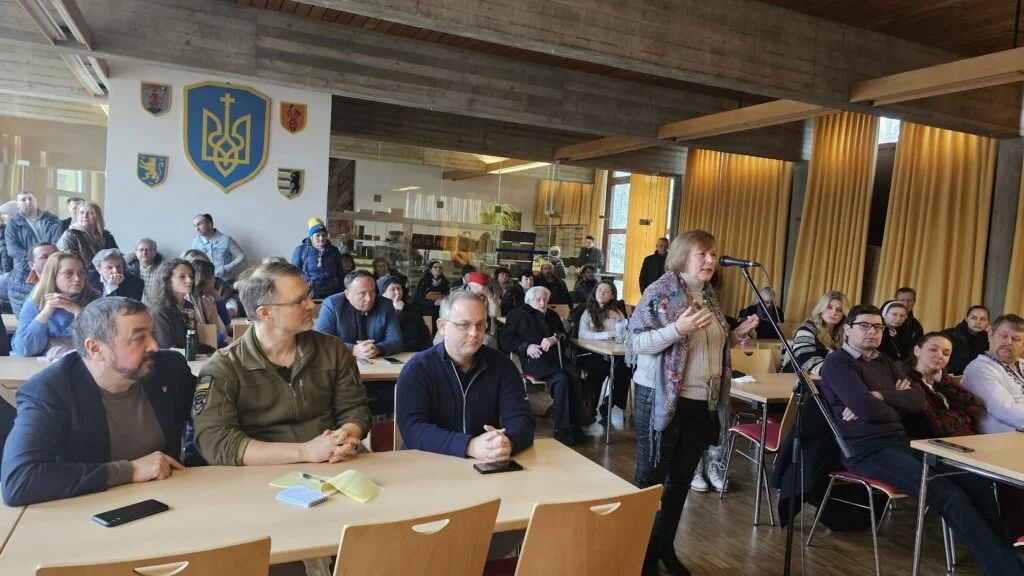
Uma dúzia de membros da equipa da EAU acaba de concluir uma visita de três semanas à Europa Ocidental em representação da Ucrânia. Entre os resultados positivos da visita destacam-se:
Foram elaborados três novos documentos de orientação (Alemanha, França e UE). Foram identificadas as principais prioridades da Alemanha relativamente à Ucrânia. Foram identificadas oportunidades de colaboração entre os governos da Alemanha e dos EUA em vários projetos, nomeadamente no que diz respeito à construção de mísseis Patriot na Europa
7 reuniões oficiais com deputados alemães e da UE.
7 reuniões com representantes governamentais alemães, da UE e belgas, incluindo funcionários dos ministérios dos Negócios Estrangeiros alemão e belga responsáveis pela Ucrânia. Isto sem contar com os muitos novos contactos que estabelecemos com assessores políticos influentes e membros do pessoal do Bundestag e do Parlamento Europeu
12 mensagens positivas adicionais de deputados e outros funcionários do governo sugerindo uma data posterior para a reunião
6 Reuniões com dirigentes de organizações pró-Ucrânia, incluindo a LibMod, a Associação Alemã de Amizade Ucraniana, a Aliança para a Segurança Europeia e a Vitsche na Alemanha e a Promote Ukraine na Bélgica
22 novos membros alemães, 6 novos membros franceses, 2 novos membros britânicos e 5 novos membros belgas da EAU
Acima de tudo, ficámos a saber, através de inúmeros alemães, franceses e belgas, que a missão da EAU de aumentar a pressão pública sobre os parlamentos alemão, francês e britânico é absolutamente necessária para apoiar o esforço de guerra da Ucrânia, e que não existe nenhum outro grupo a liderar este trabalho de extrema importância.
Mais informações: https://
Reunião da Comissão Europeia
À medida que a guerra entra no seu quinto ano, no dia 19 de março realizou-se em Bruxelas uma reunião do Conselho Europeu, na qual 25 líderes manifestaram o seu compromisso contínuo em apoiar a soberania da Ucrânia. O debate no Conselho centrou-se no empréstimo de 90 mil milhões de euros, no 20.º pacote de sanções destinado a conter a economia e as forças armadas da Rússia e na condenação dos investimentos do Irão, da Bielorrússia e da Coreia do Norte na guerra.
A Hungria bloqueia um empréstimo de 90 mil milhões de euros à Ucrânia
Após a reunião da Comissão Europeia de 19 de março, os líderes europeus não conseguiram convencer o presidente húngaro, Viktor Orbán, a levantar o seu bloqueio ao empréstimo de 90 mil milhões de euros à Ucrânia.
Proposta em dezembro de 2026, a UE desenvolveu o programa de empréstimo para dar resposta às necessidades financeiras da Ucrânia, agora que o país entra no quinto ano de guerra, devendo o empréstimo ser reembolsado após o fim do conflito. 30 mil milhões de euros do empréstimo assumirão a forma de assistência macrofinanceira/apoio orçamental, e 60 mil milhões de euros serão destinados a reforçar as capacidades de defesa da Ucrânia e a apoiar a produção e a disponibilidade de equipamento militar. As condições do empréstimo exigem que a Ucrânia se mantenha empenhada nas reformas democráticas e combata a corrupção.
Uma vez que 21 de fevereiro de 2026 A Hungria vetou o empréstimo com o objetivo de obrigar a Comissão Europeia a permitir a passagem de petróleo russo pelo oleoduto Druzhba, que se encontra fechado ao Kremlin desde um ataque russo ocorrido a 27 de janeiro.
Apesar disso, a presidente da Comissão, Ursula von der Leyen, mantém-se firme na sua decisão de conceder o financiamento à Ucrânia, afirmando: “Vamos cumprir, de uma forma ou de outra.” No entanto, não forneceu detalhes.
Leia mais…
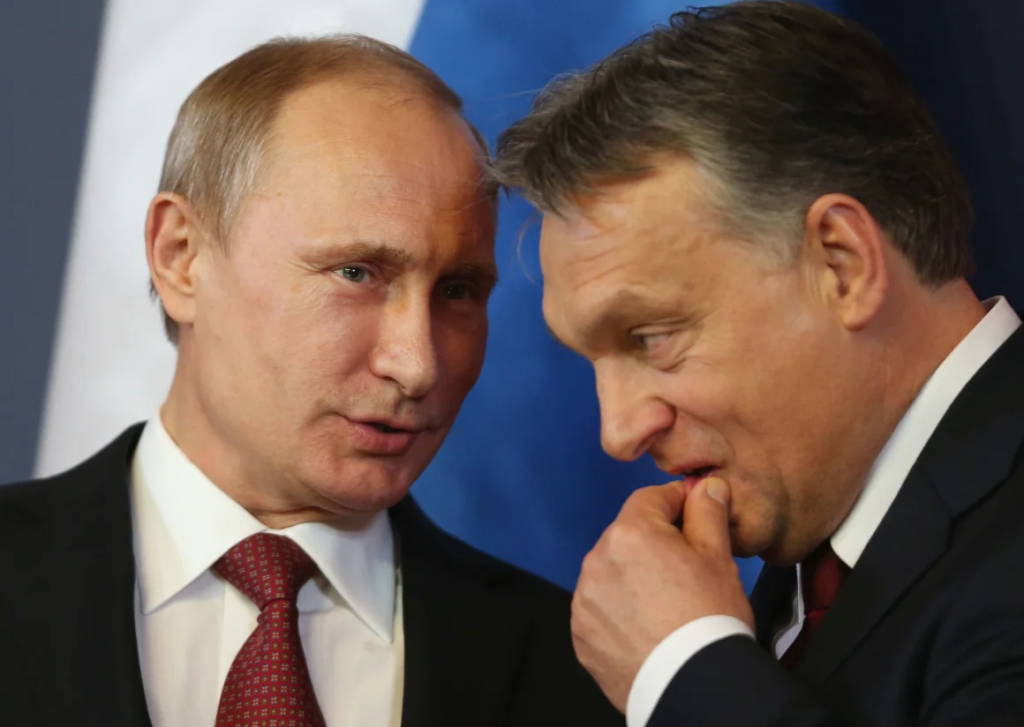
Eleições na Hungria, 12 de abril
O líder húngaro Viktor Orbán, conhecido pelo seu posicionamento contrário e obstrucionista, tem repetidamente frustrado as políticas de defesa pró-Ucrânia e pró-Europa propostas por outros Estados europeus, bem como a nível da União Europeia. Dada a adesão da Hungria tanto à União Europeia como à OTAN — organizações que normalmente exigem consentimento unânime para decisões importantes em matéria de política externa e financeira —, o resultado destas eleições é amplamente considerado como tendo consequências de grande importância tanto para a Ucrânia como para o panorama geopolítico europeu em geral.
Embora Orbán e os principais opositores do seu partido, o Fidesz — como o partido Tisza, liderado por Péter Magyar — não sejam considerados pró-Ucrânia, espera-se um rápido realinhamento caso o Fidesz seja destituído do poder.
Se o Fidesz continuar no poder após as eleições, a União Europeia poderá ver-se obrigada a implementar mudanças estruturais para passar da votação por unanimidade para a votação por maioria qualificada, a fim de contornar Orbán e outros blocos pró-russos.
Restauração do oleoduto Druzhba
A Ucrânia aceitou o apoio financeiro e técnico da UE para reparar o oleoduto Druzhba, que ficou danificado e que é responsável pelo transporte de petróleo bruto para a Hungria.
Esta troca de mensagens constitui uma tentativa de persuadir o governo húngaro a levantar o seu veto ao pacote de ajuda de 90 mil milhões de euros. A Hungria tem vindo a utilizar este argumento desde que as exportações de petróleo russo para a Hungria e a Eslováquia foram interrompidas em janeiro, devido a danos no oleoduto que atravessa território ucraniano.
Esta é a primeira vez que a Ucrânia autorizou a inspeção do oleoduto, o que levou o governo húngaro a considerar que os danos no oleoduto Druzhba foram intencionais ou que as reparações foram deliberadamente impedidas. Entretanto, a Ucrânia alega que o oleoduto ficou inoperacional devido a ataques de drones russos e que o local continuava a ser demasiado perigoso para ser inspecionado.
Orientações atualizadas sobre a regulamentação do gás
A 18 de março, o roteiro RePowerEU — uma estratégia para eliminar gradualmente as importações de petróleo, gás e energia nuclear russos dos mercados da UE — apresentou uma atualização rigorosa relativamente às importações de gás. As novas diretrizes exigem agora autorização prévia para as importações de gás e a identificação do país de produção. Se o país ou a empresa importar gás russo, fica sujeito a um limite. O incumprimento destes regulamentos resulta em multas avultadas. Esta atualização surge na sequência da adoção, em janeiro de 2026, do regulamento relativo à eliminação gradual das importações russas de gás natural, tanto por gasoduto como por outras vias.
Ler mais…
Adiamento da proibição do petróleo russo
Criada no final de fevereiro de 2026, a Comissão Europeia apresentou uma proposta legislativa, delineada no roteiro REPowerEU, para proibir definitivamente todas as importações de petróleo russo para a UE, tendo a data provisória sido fixada em 15 de abril.
A decisão da UE de adiar a aplicação da proibição e de eliminar a data de 15 de abril surge num contexto de subida dos preços do petróleo provocada pela guerra no Irão.
Embora a UE tenha reduzido a sua dependência do petróleo russo de 27% para 1% desde o início de 2022, a Hungria e a Eslováquia continuam a importá-lo.
De acordo com a porta-voz da Comissão, Anna-Kaisa Itkonen, ainda não foi marcada uma nova data.
Subvenção de emergência de 20 milhões de euros para aquecimento
No âmbito da iniciativa “Repair, Rebuild, Restart”, a UE irá conceder uma subvenção de emergência no valor de 20 milhões de euros para a reconstrução dos sistemas de aquecimento em Kiev, na sequência dos repetidos ataques da Rússia a infraestruturas civis. Para contextualizar, a iniciativa “Reparar, Reconstruir, Reiniciar” é um plano energético liderado pela UE, no valor de 920 milhões de euros, anunciado em fevereiro de 2026 para garantir a segurança da rede elétrica da Ucrânia durante o inverno de 2026–2027. O pacote centra-se na reparação, descentralização e modernização das infraestruturas energéticas danificadas, além de um montante adicional de 100 milhões de euros para apoio de emergência durante o inverno, de acordo com a página do Facebook da Comissão Europeia.
“Este inverno, a Rússia atacou repetidamente a rede de aquecimento de Kiev, uma das maiores da Europa, deixando milhares de casas, escolas e hospitais sem aquecimento, numa altura em que as temperaturas desceram até aos –20 °C. A primavera já chegou, mas os preparativos para o próximo inverno têm de começar agora.”
– Delegação da UE na Ucrânia
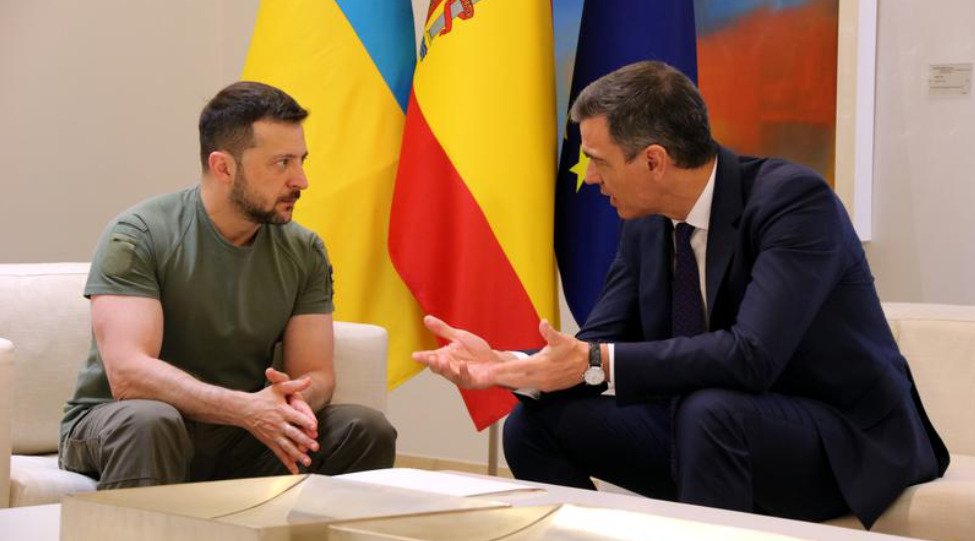
Espanha concede 1 mil milhões de euros em ajuda militar
Por ocasião da visita do Presidente Zelensky à Espanha, a 12 de março, a Espanha anunciou um pacote de ajuda militar no valor de 1 mil milhões de euros para apoiar a Ucrânia em 2026.
Este montante é financiado em parte pelo Programa SAFE da UE, com ênfase na produção conjunta com a indústria de defesa da Ucrânia. Este acordo inclui contribuições adicionais de munições, radares, equipamento e outros recursos necessários provenientes da indústria de defesa espanhola.
Enquanto membro tanto da OTAN como da UE, a Espanha tem vindo a apoiar a Ucrânia financeira e militarmente desde o início da guerra contra a Rússia.
Com esta mais recente contribuição para a Ucrânia, a ajuda da Espanha na guerra atingirá um total de 4 mil milhões de euros.
Legislação alemã recente
Antes da reunião da Comissão Europeia de 19 de março, em Bruxelas, o governo alemão realizou um debate em plenário e divulgou um declaração de política no que diz respeito à sua posição sobre o envolvimento europeu na guerra. O Chanceler Federal reafirmou que a Europa deve participar nas futuras negociações de paz, uma vez que a Rússia continua a minar os esforços de paz. Além disso, a Alemanha encorajou a Europa a manter a pressão sobre a Rússia através do 20.º Pacote de Sanções e do empréstimo de 90 mil milhões de euros.
20.º Pacote de Sanções
Apresentado pela UE em fevereiro de 2026, o pacote foi concebido para reduzir os ativos financeiros e energéticos da Rússia. As sanções incluirão uma proibição total dos serviços marítimos relativos ao petróleo bruto russo, a inclusão de 43 navios na frota-sombra da UE e um segundo bloqueio ao sistema bancário russo e à sua capacidade de criar canais de pagamento alternativos. Inclui ainda o reforço das restrições à exportação para a Rússia e introduz novas proibições de importação de produtos como produtos químicos, metais e minerais essenciais. Foram incluídos na lista mais 20 bancos regionais russos, à medida que a UE toma medidas contra as criptomoedas e a sua negociação.
Legislação recente do Reino Unido
“Debate sobre o ”apoio à Ucrânia»: No início de março, a Câmara dos Comuns realizou um debate em sessão plenária, no qual reafirmou publicamente o seu apoio à Ucrânia e se comprometeu a dedicar-lhe uma atenção parlamentar contínua.
“Defesa aérea da Ucrânia: apoio do Reino Unido”: Numa troca de palavras na Câmara dos Comuns sobre a defesa aérea, o ministro destacou um pacote de defesa aérea recém-anunciado no valor de mais de 500 milhões de libras, apresentando-o como parte da assistência contínua do Reino Unido em matéria de segurança.
“Refugiados ucranianos”: A Câmara dos Comuns levantou a questão das vias de estabelecimento permanente para os refugiados ucranianos e o governo afirmou que estava a acompanhar a evolução da situação e que apresentaria uma atualização ainda este ano.
“Ucrânia: Reparação”: A 23 de março, a Câmara dos Lordes debateu um pacote de apoio que deve incluir uma reparação financeira como compromisso para a sustentabilidade a longo prazo da Ucrânia. Foi referido que os ativos russos congelados poderiam ser utilizados como forma de responsabilizar a Rússia pelos abusos cometidos contra a Ucrânia.