 HU
HU  EN
EN  UA
UA  TW
TW  NL
NL  FR
FR  DEUTSCH
  IT
IT  PL
PL  PT
PT  RO
RO  ES
ES Szerző: Brian Haughton
Mi az a REPO?
Miután Oroszország 2022 februárjában teljes körű inváziót indított Ukrajna ellen, az Egyesült Államok és szövetségesei megalakították a Orosz elit, meghatalmazottak és oligarchák Task Force (REPO), amelyet a Hétek csoportja (G7), az Európai Unió (EU) és Ausztrália alkot. (Brookings)
2022 márciusában az Európai Bizottság létrehozta a 2022. "Fagyasztás és lefoglalás" munkacsoportot, hogy kezelje a az EU birtokában lévő orosz vagyon befagyasztása és lefoglalása és a EU-szintű szankciók amelyről az Európai Unió Tanácsa döntött. A "Freeze and Seize" az Európai Bizottság, az Europol (az EU rendőrségi együttműködésért felelős szerve), az Eurojust (a határokon átnyúló bűncselekmények nyomozásáért és büntetőeljárásáért felelős uniós szerv), valamint az egyes tagállamok nemzeti kapcsolattartói képviselőiből áll. (Európai Bizottság)
Befagyasztott orosz vagyon
Mintegy $280-$330 milliárdnyi orosz államadóssági eszközt foglaltak le és fagyasztottak be a REPO-keretből. Belga pénzügyi értékpapír letétkezelő Az Euroclear ezen eszközökből mintegy $200 milliárdot kezel., az Európában tartott összes mennyiségnek nagyjából 90%-je. A fennmaradó 10% többsége Franciaországban van. Japánban is befagyasztottak eszközöket, mintegy $50 milliárd értékben. Összehasonlításképpen, az Egyesült Államokban körülbelül $5 milliárdot tartanak. (Brookings; AP)
2024-re a hitelviszonyt megtestesítő értékpapírok nagy része Belgiumban tartott készpénzzé vált, amelyet az Euroclear a pénzpiacokon helyezett el. A 2024-ben keletkező, nagyjából $7 milliárd felhalmozott kamatból a belga kormány mintegy 25%-t szedett be, amelyet Ukrajnának kötelezte magát, hogy elküld Ukrajnának. (Brookings) 2024 májusában az Európai Unió Tanácsa megkövetelte, hogy a fennmaradó kamatok Ukrajnának jussanak. (Az Európai Unió Konzíliuma)
Mi Európa terve Ukrajna támogatására?
Az IMF becslése szerint Ukrajnának 135 milliárd euróra ($161 milliárd forintra) lesz szüksége pénzügyi és katonai szükségleteire a 2026-2027 közötti kétéves időszakban. Erre a finanszírozásra azért van szükség, hogy Ukrajna fenntarthassa a közszolgáltatásokat és támogathassa védelmi erőfeszítéseit. (Kyiv Post)
Az Európai Bizottság elnöke, Ursula von der Leyen által 2025. december 3-án bemutatott terv szerint az EU ennek az összegnek a kétharmadát, azaz 90 milliárd eurót tervez fedezni. A fennmaradó harmadot (45 milliárd eurót) más nemzetközi partnerektől kívánják fedezni. (AP)
а. Ukrajnát "jóvátételi kölcsön" formájában finanszírozza - a befagyasztott vagyontárgyakat biztosítékként felhasználva.
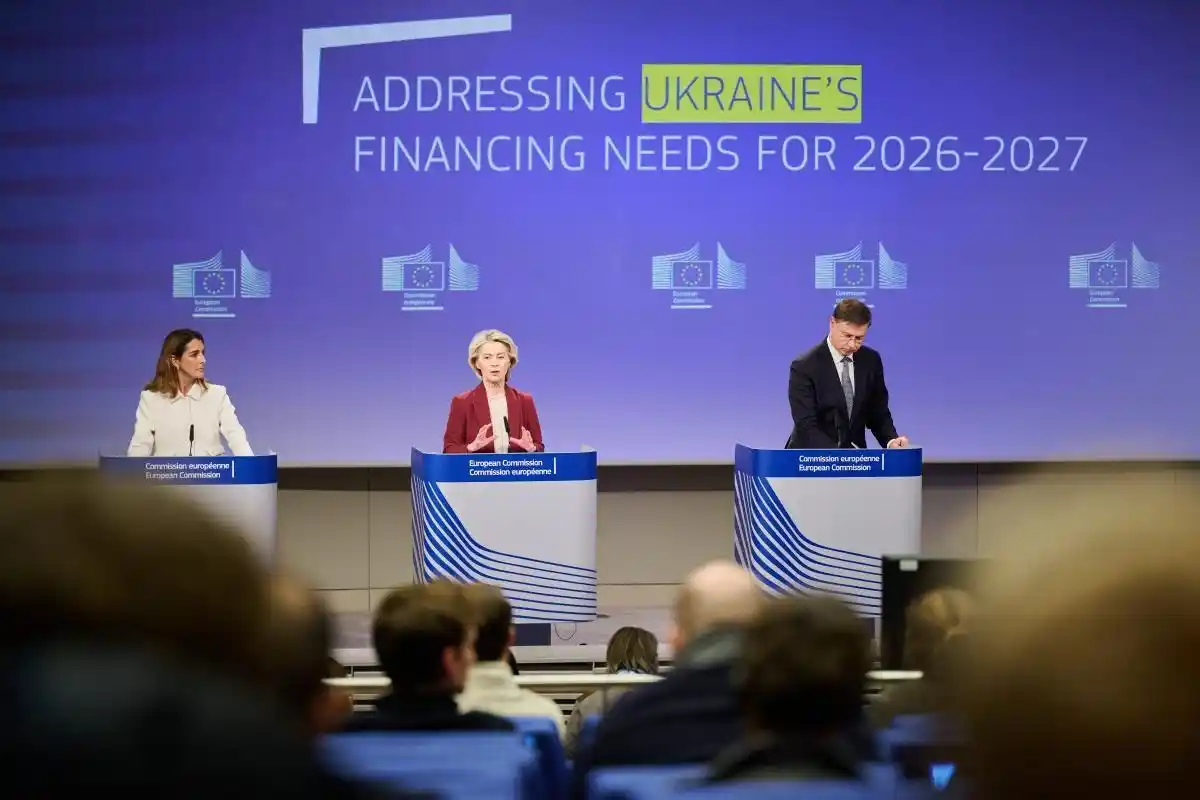
© Európai Unió, 2025, CC BY 4.0 licenc alatt (audiovizuális.ec.)
Ez a terv - amelyet Ursula von der Leyen, az Európai Bizottság elnöke "A tervként" javasolt - azt jelenti, hogy Ukrajnának hitelt nyújtanak, amelynek fedezetéül a befagyasztott orosz vagyontárgyak szolgálnak. Az Euroclear köteles lenne a befagyasztott eszközöket az EU-val kötött szerződésben befektetni, az EU pedig továbbkölcsönözné a forrásokat Ukrajnának. Ukrajnának csak azt követően kellene visszafizetnie a kölcsönt, hogy Oroszországtól jóvátételt kap az orosz invázió által okozott károkért. (Reuters)
A befagyasztott eszközök többsége Belgium birtokában van, és a terv végrehajtásához az ő hozzájárulása szükséges. Belgium azonban ellenállását fejezte ki (Euronews):
A javaslatot, amelyre a modern történelemben nincs példa, a belga kormány és az Euroclear kezdettől fogva komoly fenntartásokkal fogadta.
Az Euroclear attól is tart, hogy nem lenne elegendő likviditása az orosz központi bankkal szembeni követelésének teljesítéséhez, ha a szankciókat idő előtt feloldanák, és a tagállamok nem tudnák időben előteremteni a 185 milliárd eurót.
A belga hatóságok azt is elmondták, hogy attól tartanak, hogy Oroszország visszaköveteli a vagyonukat, ha bíróságon perelnek és nyernek, ami az éves szövetségi költségvetés nagyságával megegyező űrt hagyna a belga államkasszában. Belgium még azt is felvetette, hogy ez csődbe viheti az országot.
Az Európai Unió Tanácsa elfogadta a Szabályozás december 13-án határozatlan időre befagyasztotta az orosz vagyont az Európai Unió működéséről szóló szerződés 122. cikkét alkalmazva, amelyet olyan "kivételes körülmények" esetén alkalmaznak, amelyek kívül esnek a tagállamok ellenőrzési körén. Az EU védelmet ígért Belgiumnak (Az Európai Unió Konzíliuma), de a belga vezetés továbbra is elutasította mind a jóvátételi hiteltervet, mind a 122. cikk alkalmazását.
"Ez a pénz egy olyan országból származik, amellyel nem állunk háborúban" - mondta [a belga miniszterelnök] De Wever a belga parlamentben újságíróknak nyilatkozva. "Ez olyan lenne, mintha betörnénk egy nagykövetségre, kivennénk az összes bútort, és eladnánk." (Euronews)
b.A pénzeszközök nemzetközi hitelfelvétel útján történő előteremtése ehelyett
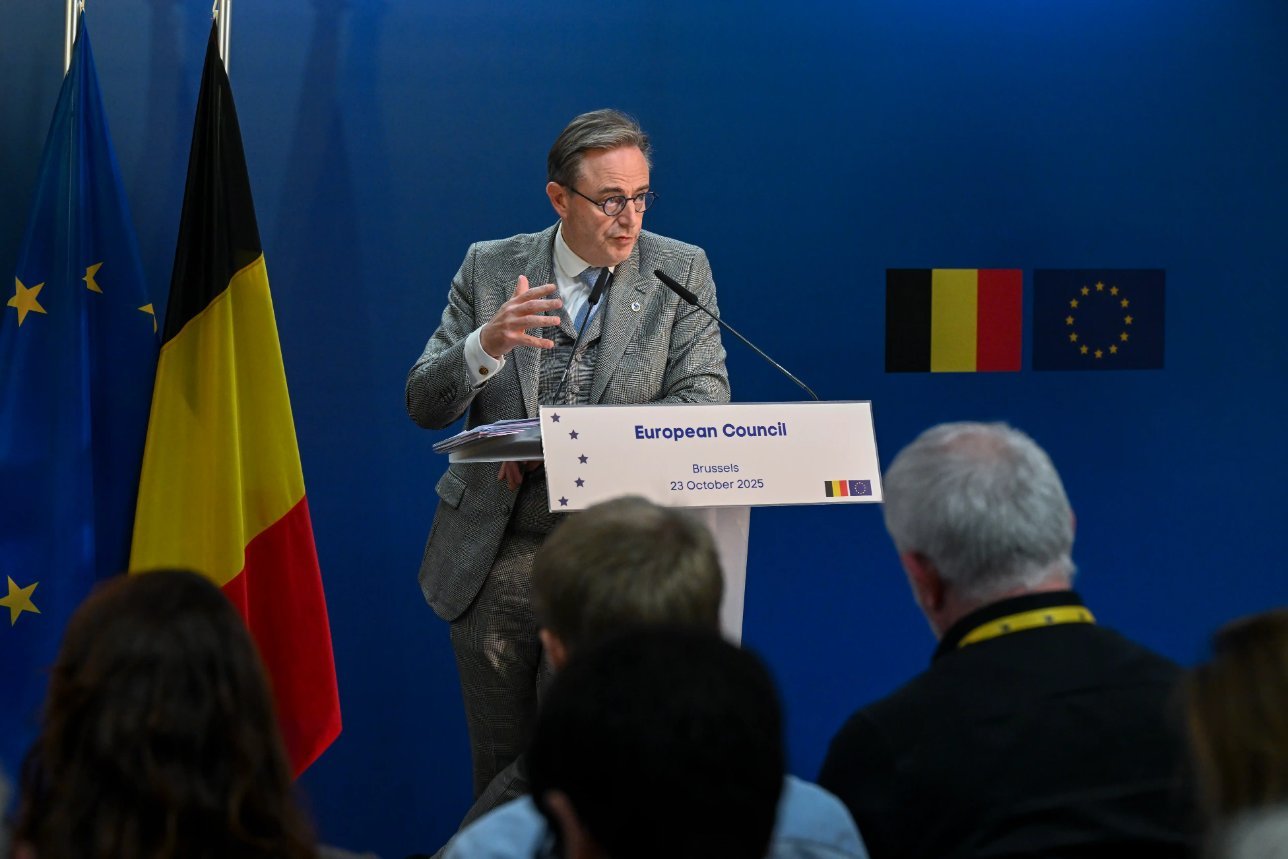
© Európai Unió, 2025, CC BY 4.0 licenc alatt (newsroom.consilium.europa.eu)
Bart de Wever belga miniszterelnök azt javasolta, hogy Ukrajna szövetségesei maguk viseljék Ukrajna finanszírozásának költségeit, és alternatív megoldásként az adósság átvállalását ajánlotta fel. (Euronews)
"Ha Európa pénzt akar teremteni, akkor pénzt teremthet. Ezt adósságnak hívják. De természetesen ez is egy nagyon érzékeny téma" - mondta De Wever a csúcstalálkozó végén.
"Az adósság nagy előnye, hogy ismered. Tudod, hogy mennyi, tudod, hogy meddig fogod viselni, pontosan tudod, hogy ki a felelős érte" - folytatta.
c. Ukrajna finanszírozásának teljes mellőzése
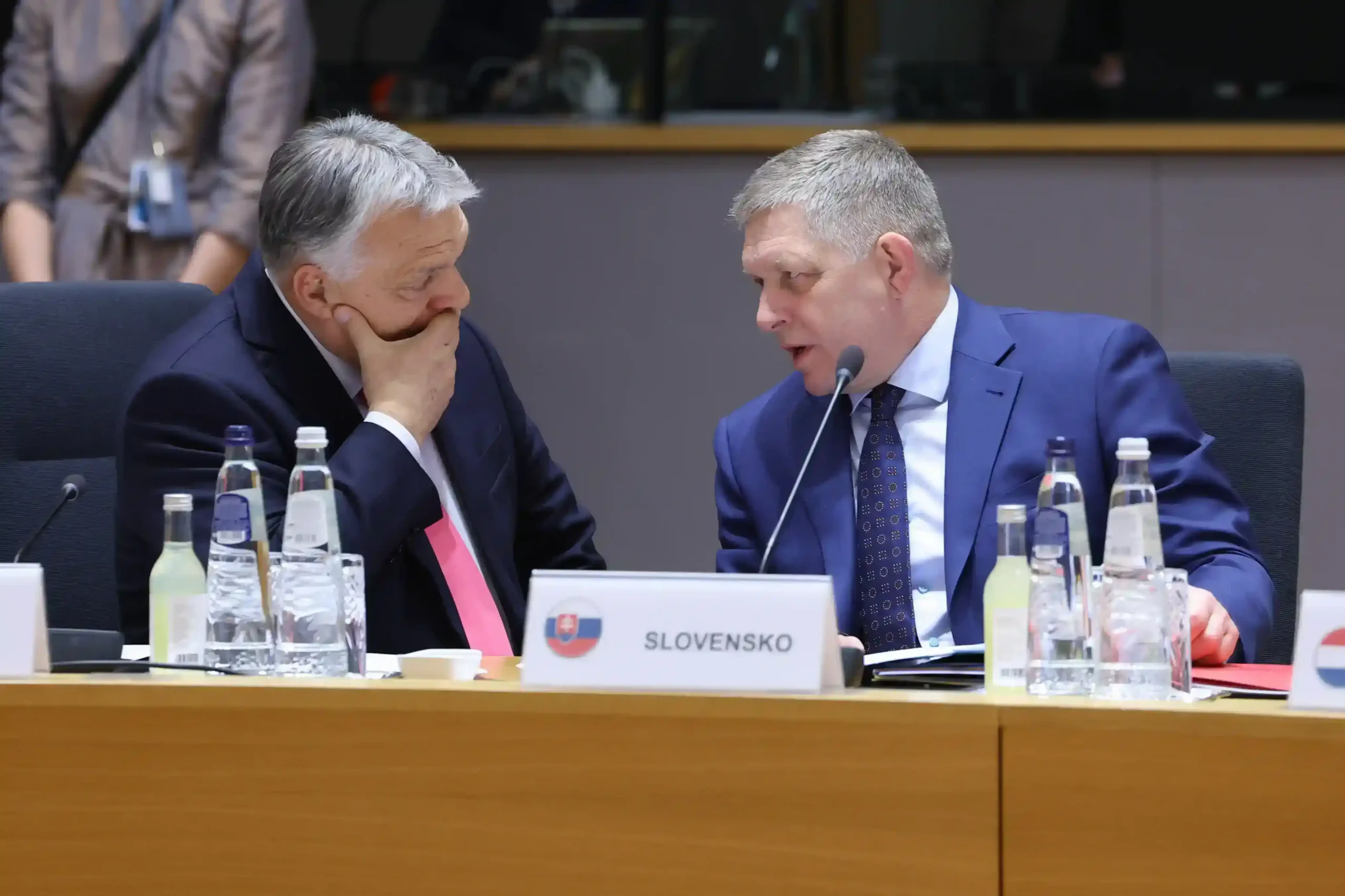
© Európai Unió, 2025, CC BY 4.0 licenc alatt (newsroom.consilium.europa.eu)
Robert Fico szlovák miniszterelnök elutasította a jóvátételi hiteltervet és a további adósságvállalást, és nem volt hajlandó egyenesen támogatni Ukrajnát. (Reuters)
"Visszautasítom, hogy Szlovákia részt vegyen bármilyen pénzügyi konstrukcióban, amelynek célja, hogy segítse Ukrajnát a háború és a katonai kiadások kezelésében".
Magyarország elutasította a további adósságfelvétel tervét. (Politico) Magyarország beperelte az Európai Unió Tanácsát is, amiért az figyelmen kívül hagyta vétóját a befagyasztott orosz vagyonból származó kamatok Ukrajnának történő átutalásáról szóló szavazás során, arra hivatkozva, hogy Magyarország nem "hozzájáruló ország" az átutalást lebonyolító Európai Békefenntartási Eszközhöz. (Magyarország kontra Tanács és az Európai Békefenntartási Eszköz)
Az európai polgárok kulcsfontosságúak az alapok felszabadításában
Az Európai Tanács (az Európai Unió Tanácsától eltérő intézmény), amely az Európai Unió valamennyi tagországának államfőjéből áll, december 18-án és 19-én ülésezik, és a jóvátételi kölcsön a napirendek között az első helyen szerepel. Ez azt jelenti, hogy a hazai kormányok számára a befagyasztott orosz vagyon Ukrajnának történő átutalásának fontosságának megmutatása a legjobb módja annak, hogy rövid távon befolyásolják ezt az eredményt. Az Európai Unió támogatja a jóvátételi kölcsön tervét, de egy maroknyi tagország (Belgium, Szlovákia és Magyarország) útjába állhat a tervnek. Ha a tervet nem fogadják el, Ukrajna nehezen tudja majd finanszírozni a 2026-os és 2027-es védelmi költségeket, és Európa sebezhetővé válik.
Az Európai Unió polgárai a választásokon (Magyarországon és Szlovákiában 2026-ban vagy 2027-ben lesznek választások) hallathatják hangjukat, és olyan kormányokat választhatnak, amelyek megerősítik az EU Ukrajna iránti elkötelezettségét, függetlenül az Európai Tanács decemberi ülésének eredményétől.
Következtetés
Az Európai Tanács csúcstalálkozóján folytatott megbeszélések December 18. és 19. a jóvátételi hitel kérdése - pontosabban Belgium ellenállásának feloldása - fogja uralni. Amennyiben a kérdés nem oldódik meg a csúcstalálkozón, az Európai Bizottság fontolóra veheti, hogy a belga közös adósságjavaslat alapján finanszírozza Ukrajnát 2026-2027 között. Mivel a befagyasztott eszközök többsége Belgium birtokában van, az eszközökkel kapcsolatos intézkedéseket nem lehet Belgium beleegyezése nélkül meghozni. Magyarország és Szlovákia szintén problémákat okozhat, különösen akkor, ha az EU további lépéseket tesz vétóik megkerülésére.
Az Európai Tanács decemberi döntésének eredményétől függetlenül az európaiak számára továbbra is kiemelten fontos, hogy tájékozottak és elkötelezettek maradjanak. Határai és népe biztonsága érdekében Ukrajnának szüksége van arra, hogy az európaiak felemeljék a szavukat, és hangosan követeljék kormányaiktól, hogy tegyenek többet Ukrajna támogatásáért. Vegyen részt még ma feliratkozás az EAU-hoz hogy csatlakozzon a szenvedélyes szószólók csapatához a saját országában. Legyen részese a történelemnek, csatlakozzon ennek a generációnak a cselekvésre való felhívásához. Európai akció Ukrajnáért.