EN

Weekly Report 27.04.26 – 03.05.26

Key Events:

Escalation of geopolitical and military tensions in Europe, characterized by increased NATO activity, discussions of new military alliances, potential expansion of military financing mechanisms, and growing narratives around war preparedness and mobilization.

Insights:
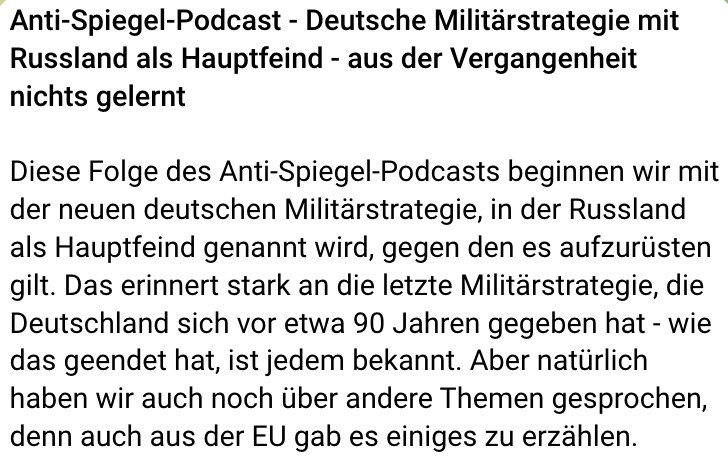
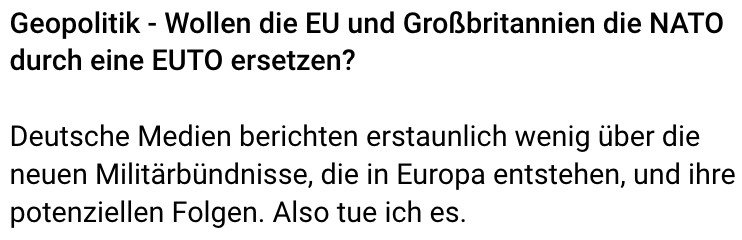
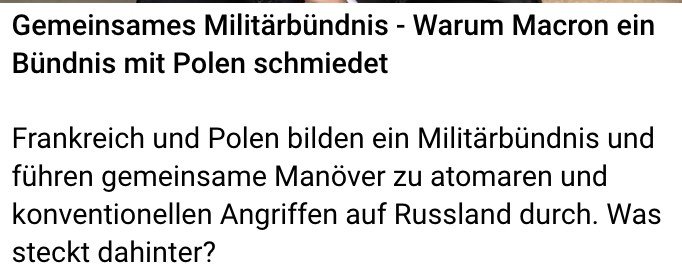
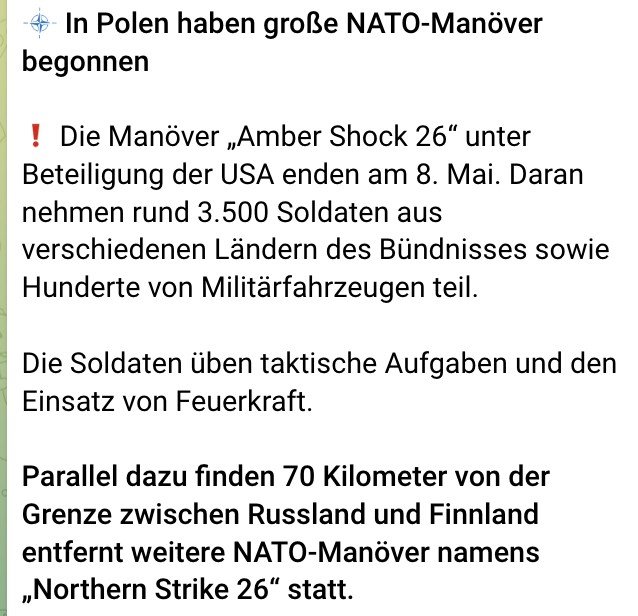
  • European and NATO countries are intensifying military cooperation (e.g., joint exercises, new alliances like France–Poland, discussions around alternative blocs).
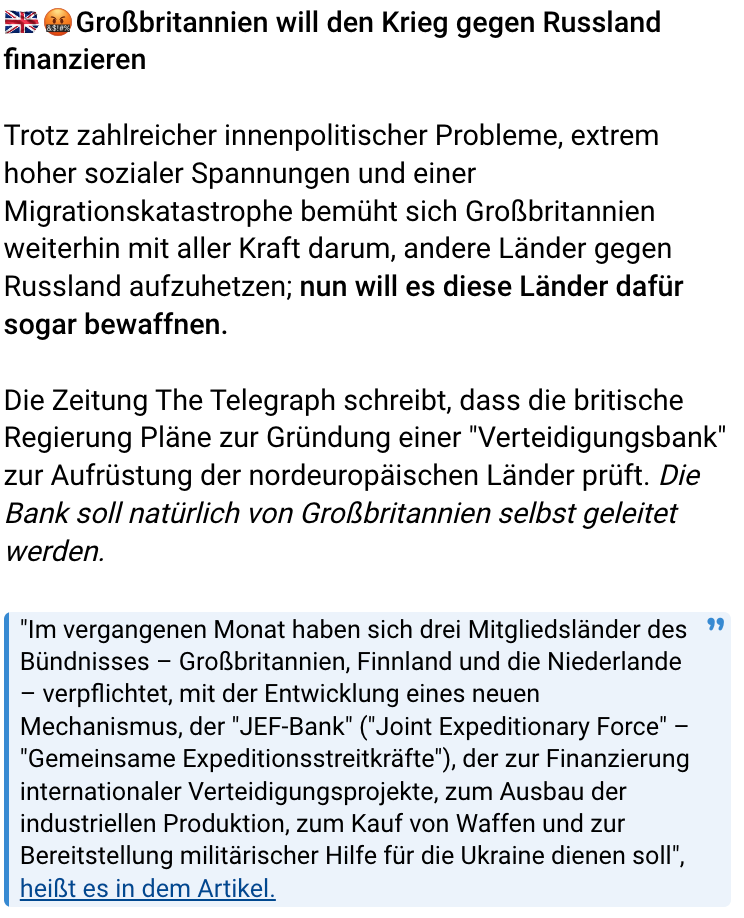
  • The UK is considering mechanisms to finance defense expansion in Europe, including support for Ukraine.
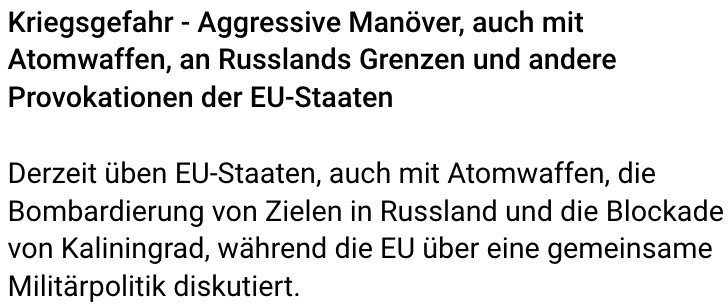
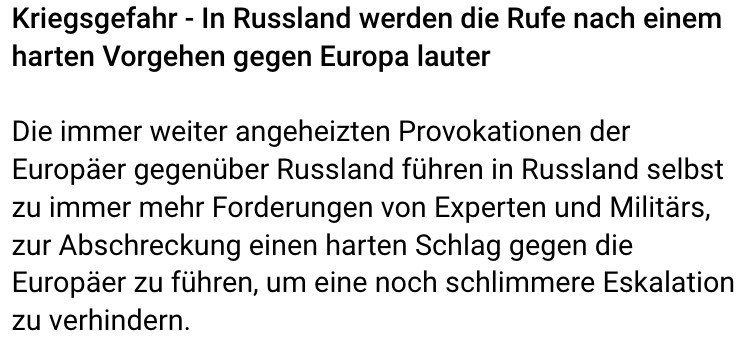
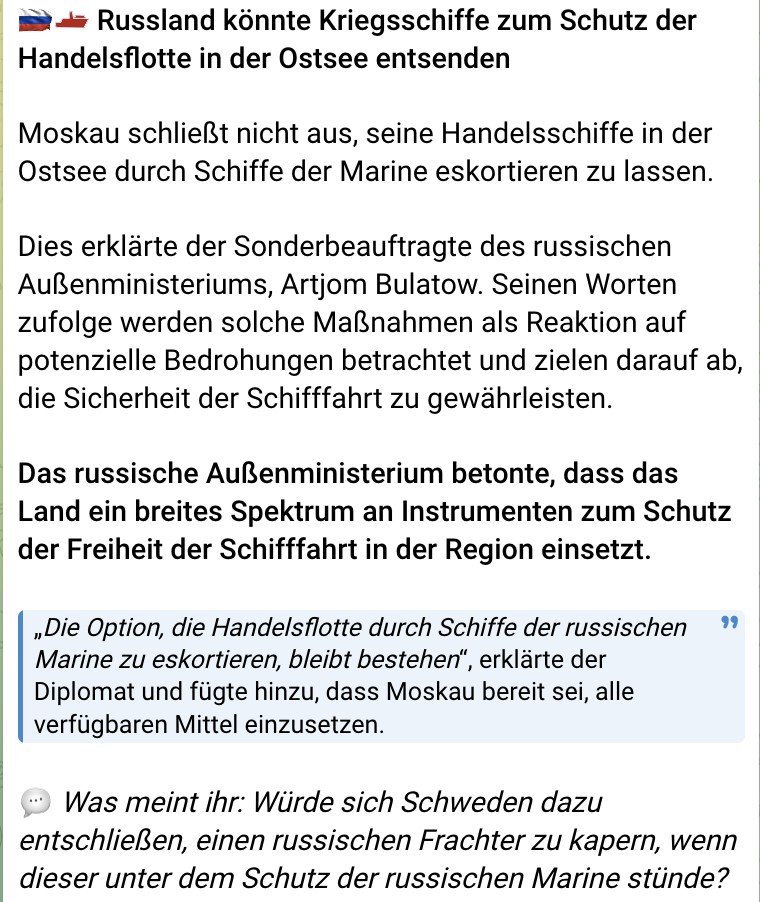
  • Rising concerns about direct confrontation scenarios (Baltic Sea, Russia–EU tensions, naval protection measures).
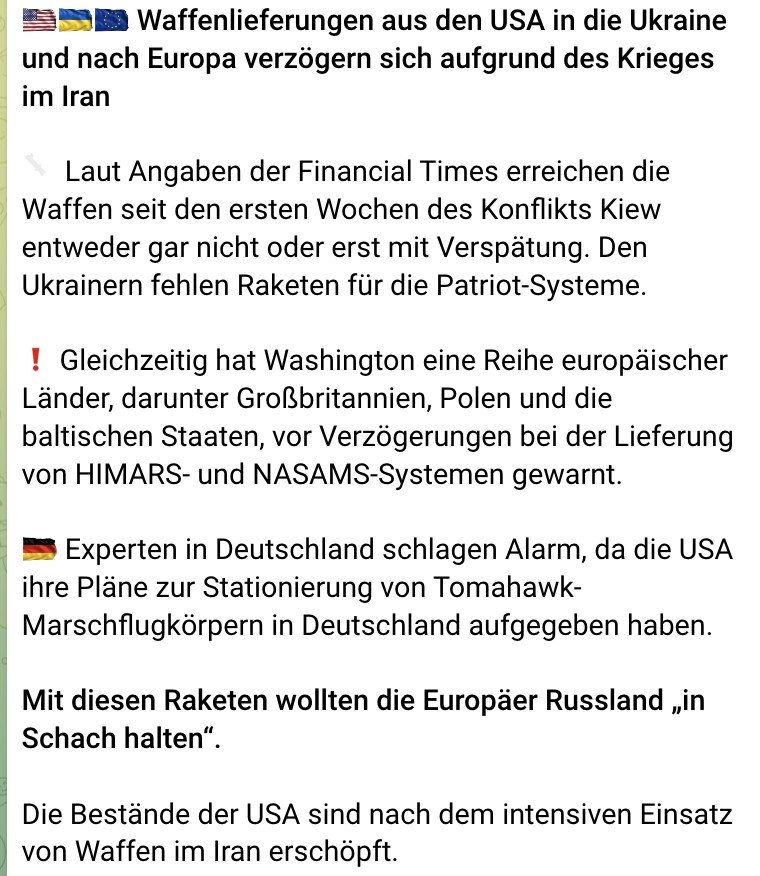
  • Delays in U.S. weapons deliveries and resource constraints may affect Ukraine’s military capabilities.
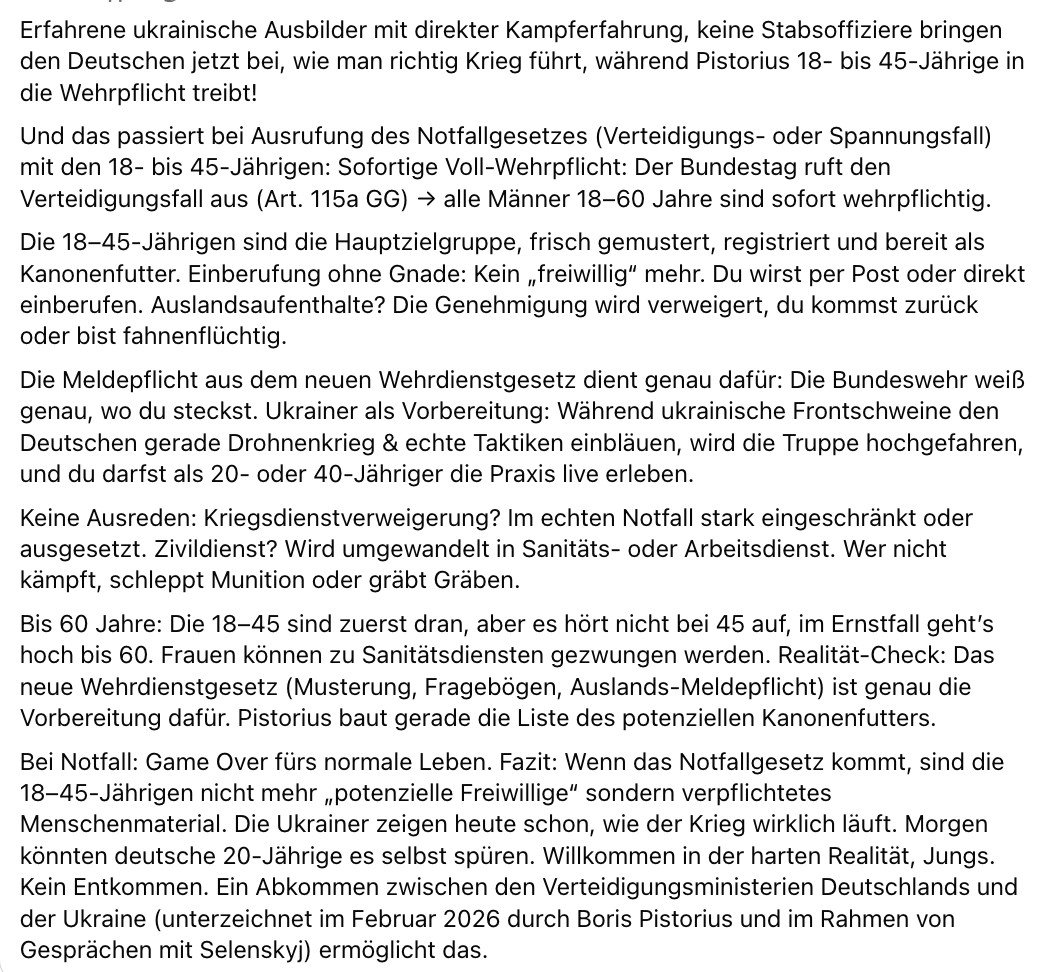
  • Information space increasingly frames Europe as moving toward broader military mobilization, including discussions around conscription and emergency legislation.
  • Messaging emphasizes escalation risks, fear narratives, and polarization.
Key Propaganda Techniques:
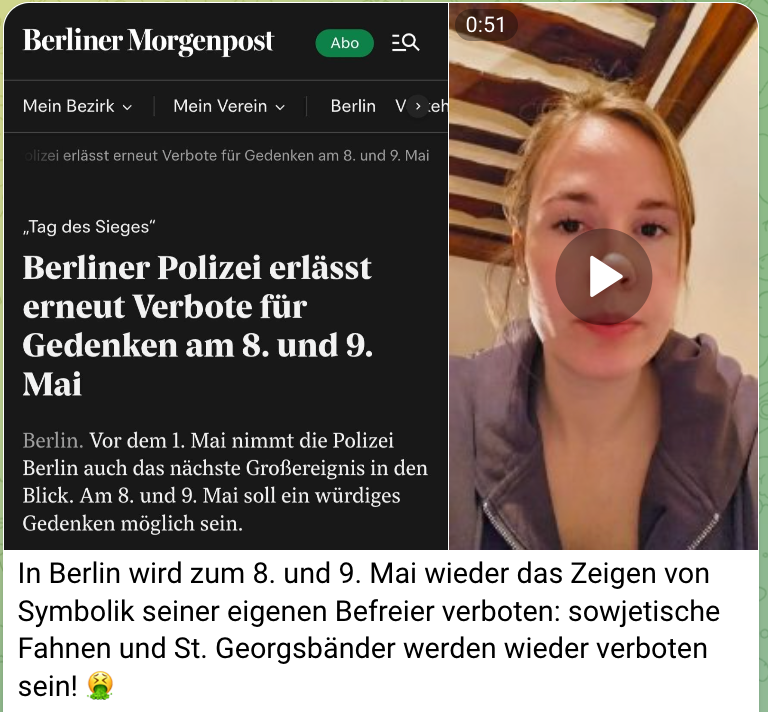
  • Fear-based propaganda – emphasizes war escalation, mobilization, and threats to civilians.
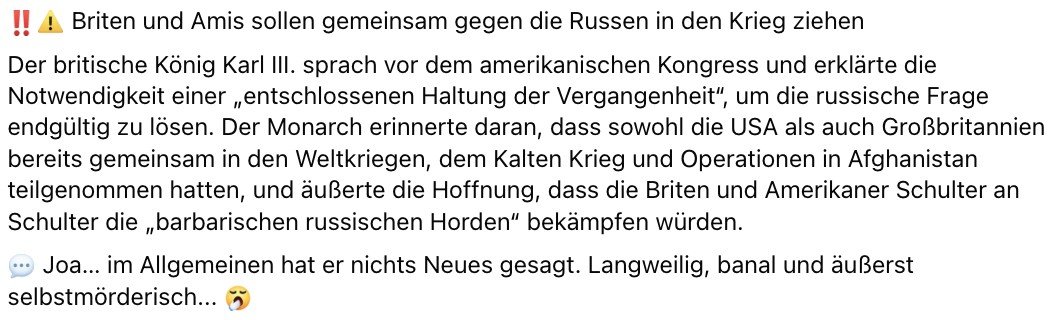
  • Enemy image construction – portrays Western countries/NATO as aggressors.
  • Disinformation / misleading framing – selective or distorted interpretation of real events.
  • Exaggeration & alarmism – amplifies risks (e.g., nuclear threats, large-scale war scenarios).
  • Whataboutism and justification narratives – frames actions as defensive responses to “provocations.”
  • Emotional manipulation – uses strong language to trigger anxiety, anger, or distrust.

27.04.2026 – Telegram Post

27.04.2026 – Telegram Post

Potential Policy Impacts for Ukraine

1) Immediate Loan Relief – A new Hungarian administration likely removes the primary veto holding up the €90 billion EU loan package, clearing the EU to provide Ukraine with immediate financial stability.

2) Frozen Russian Assets – While the EU permanently extended the previously only temporarily frozen funds in December 2025, removal of Hungary’s veto should allow progress towards reallocating the $300 billion principal to Ukraine’s reconstruction.

3) EU Accession –  If Hungary’s new leadership is willing to support Ukraine’s accession to the European Union, Ukraine would receive many significant benefits, even before full integration, while also strengthening all of Europe’s security.

4) Sanctions Opportunities – Removing Hungary’s commonly-used veto allows the imposition of more stringent sanctions and more vigorous action against Russia’s shadow fleet of oil smuggling ships.

5) Energy Decoupling – The Tisza party’s planned shift toward energy diversification would reduce Hungary’s reliance on the Druzhba pipeline, removing the final major hurdle to a total EU embargo on Russian energy.

6) V4 Alliance Realignment – Hungary’s return to a more pro-EU stance could reunify the Visegrád Four (Poland, Czechia, Slovakia, Hungary) into a cohesive Eastern European security powerhouse, with major positive implications for Europe’s security against Russian aggression.

7) Shifting the Narrative – Perhaps most important, the loss of Putin’s “Man in Europe” Victor Orban unifies the European Union in firm, unanimous support for Ukraine (or at least not active opposition) and the rule of international law, and creates a united front to counter Russian aggression. In the public battle for public attention and sympathy, Moscow loses its most influential ally within the EU and NATO, collapsing the pro-Russian narrative that previously fractured Western cohesion, blocked or slowed support for Ukraine and encouraged extremist movements across the continent.

What this means to the international pro-Ukraine community

With the Hungarian bottleneck cleared, pro-Ukraine advocacy organizations can reevaluate the possibility to successfully pass Ukraine support legislation and initiatives at the EU. Expect a flurry of new legislation, most having nothing to do with Ukraine, to clog the EU over the next year, to manage the pent up backlog that built under Orban’s intransigent, anti-EU government. Expect the European Parliament and Council to be focused on major and long-delayed initiatives such as:

  • Internal EU Reforms: Long-stalled rule of law enforcement mechanisms, internal market regulations, and structural reforms to EU voting procedures (shifting away from unanimity).
  • Migration Policy: Finalizing and enforcing the complex burden-sharing agreements.
  • Enlargement beyond Ukraine: Pushing forward the stalled accession frameworks for the Western Balkans (Serbia, Bosnia, etc.), which were previously used as bargaining chips.
  • Economic and Climate Directives: Advancing the Green Deal and budget revisions that were previously held hostage for Hungarian cohesion funds.

With the structural barrier of the Hungarian veto eliminated, pro-Ukraine advocates have a critical window to push stalled financial and military aid directly through the European Union in Brussels and Strasbourg. Advocates have an opportunity and responsibility to ensure Ukraine remains a structurally integrated priority for the EU rather than just an occasionally addressed ad-hoc cause.

Share this:

EN